
Insect Blog
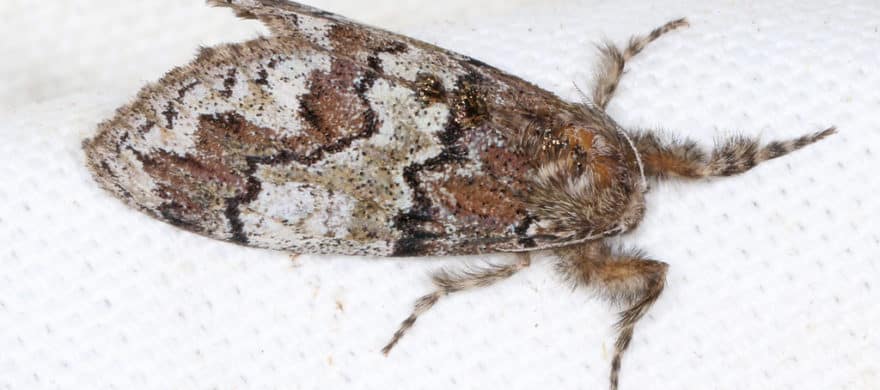
Tussock Moth
May 14th, 2019
Affects primarily:
Spruce, white fir and occasionally Douglas fir. Symptoms: Caterpillars begin feeding on the needles in the tops of treats and work their way down rapidly stripping the tree of its foliage.
Life Cycle:
Caterpillars, which hatch in late May and early June are blackish with long body hairs. They become ornamented with brightly colored tufts of hair and an orange stripe on each side as they grow. A cocoon is spun in late June or early July and the adult, which does not feed, emerges as a nondescript moth to lay eggs on the old cocoon. These eggs hatch the following spring.
Treatment/Care:
Tussock moth is widespread in the Metro area. Damage from one years’ infestation will usually recover if annual treatments and proper care are maintained. Trees with more than one years’ damage may not. A preventative spray timed to the early feeding stage will protect the tree from damage. It is not possible to predict if a tree will be attacked from year to year, so annual treatment is recommended to prevent damage. Trees with visible damage should be deep root fertilized.