
Insect Blog
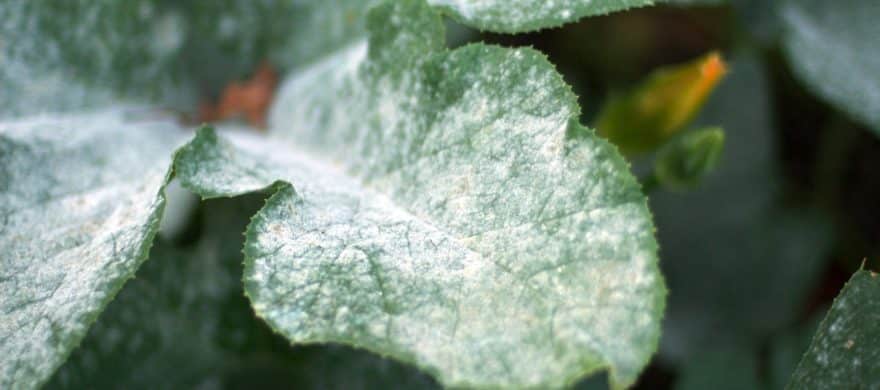
Powdery Mildew
May 14th, 2019
Plants Affected:
Primarily apple, crabapple, lilac and rose. Also affects turf grasses.
Symptoms:
Patches of whitish ‘powder’ develop on the upper leaf surface. Ends of branches, flowers and fruits may also become infected causing distortion and stunning. The white ‘powder’ becomes less visible in late summer and fall. The disease tends to be most active in shady areas.
Life Cycle:
This disease is aggravated by wet, humid weather. Heavy spring rains or high humidity can result in increased disease activity later in the season. Since the onset and severity of the disease are related to weather patterns, an outbreak in the current year may or may not be repeated the following year.
Treatment/Care:
Preventative control is costly and difficult. Spraying the fungicides may provide some control. Severely affected branches can be pruned out, but even severe infections are often not detrimental to the tree. Affected turf areas should be seeded with resistant grasses such as fine fescues.