
Insect Blog
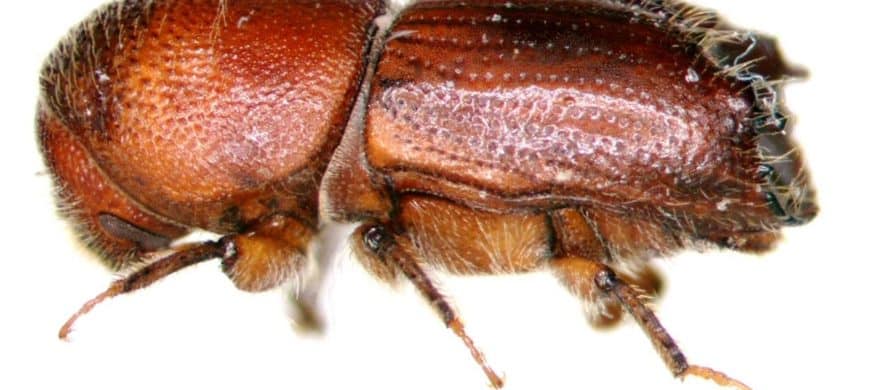
IPS Beetle
May 14th, 2019
Trees Affected:
Spruce, Pinyon, Ponderosa, and Scotch Pines.
Symptoms:
The beetle bores into the bark and may carry Blue Stain fungus, which is incurable. Sawdust from the boring may be seen near the entry hole along with a blue/gray staining of the inner wood. The ends of the branches may fade and turn reddish brown.
Description/Life Cycle:
Eggs are laid by beetles inside the bark in August. These eggs hatch and overwinter as small white grubs. The following year they emerge as small dull-black beetles that fly and bore into other trees. Two or more generations may occur in a year.
Treatment/Care:
May introduce a disease called Blue Stain fungus into the tree, which is incurable. Controls are therefore aimed at stopping the beetle before it infects the tree. It is beneficial to reduce any other stresses to the tree where possible. A bark treatment is times to coincide with the emergence and flight of the beetle to other trees. Balanced deep root fertilization to invigorate the tree is also recommended.