
Insect Blog
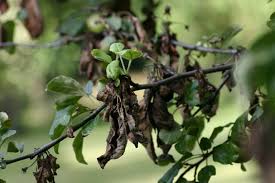
Fireblight
May 14th, 2019
Affects:
crabapple, apple, hawthorne, pyracantha, mountain ash and to a lesser extent cotoneaster, quince, pear and the stone fruits (plum, peach, cherry).
Symptoms:
This bacterial disease usually begins in the flowers in the spring and progresses into the fruit, bud, leaves, and stem. It appears as wilted and blackened blossoms, curling brown leaves that remain attached to the stem, blackened twigs that crook over and a reddish-brown color of the bark on older stems.
Life Cycle:
This disease usually enters the plant in the spring when it is spread by bees pollinating the flowers. It can also be spread by pruning shears, squirrels, etc. and may enter the plant though any wound. In wet weather milky bacterial ooze may be seen on the branches.
Treatment/Care:
The most effective method of control is through removal of affected branches during the dormant season. Preventive sprays with an antibiotic are usually not successful unless they are repeated every 7-10 days from spring through mid-summer. Do not prune affected branches during the summer due to the risk of spreading the disease at that time of year.