
Insect Blog
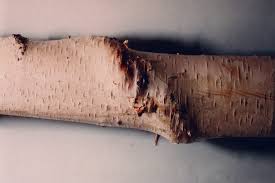
Bronze Birch Borer
May 14th, 2019
Affects:
Birches
Symptoms:
Small branches gradually die back, eventually killing the entire tree. Leaves on affected branches remain attached after they turn brown. Sometimes swellings in the branch may be seen where the insect is active.
Life Cycle:
These borers are white, flat-headed “worms” about 1 ½” long that bore into small branches during the summer. The following spring the borer emerges as an adult beetle to lay eggs on the bark.
Treatment/Care:
Most birches in the Denver Metro area are eventually attacked by this insect because borers only attack weakened trees. Birches, not being easily adaptable to our climate and oils, are often in a weakened condition. For this reason, preventive controls are recommended. Yearly deep root fertilization will help invigorate the tree and two bark sprays every year timed to the egg laying stage of the insect will greatly aid in protection. It is also important to deep root water throughout the year, particularly in the winter.